


.png)
.png)
.png)
.png)
.png)
.png)
.png)
.png)
.png)
.png)


BYK Dispersing Additives
Combining wetting and dispersion to achieve uniform and stable pigment dispersion


BYK Distributors in Mainland China

Wetting & Dispersing Additives
BYK's wetting and dispersing additives ensure fine, homogeneous distribution of solid particles in liquids and long‑term system stability. They stabilize pigments (inorganic, organic, effect) and fillers in water or any organic solvent — regardless of polarity.
Wetting agents are surface‑active and improve solid wetting. Dispersing agents prevent flocculation through electrostatic or steric effects. Wetting and dispersing additives combine both mechanisms in one product: they wet and stabilize.
Main Functions


Promotes particle wetting and disperses agglomerates into primary particles

Stabilizes primary particles against re-agglomeration

Optimizes the dispersion process and improves efficiency

Reduces slurry viscosity, increases solid content and stability


What We Deliver
-
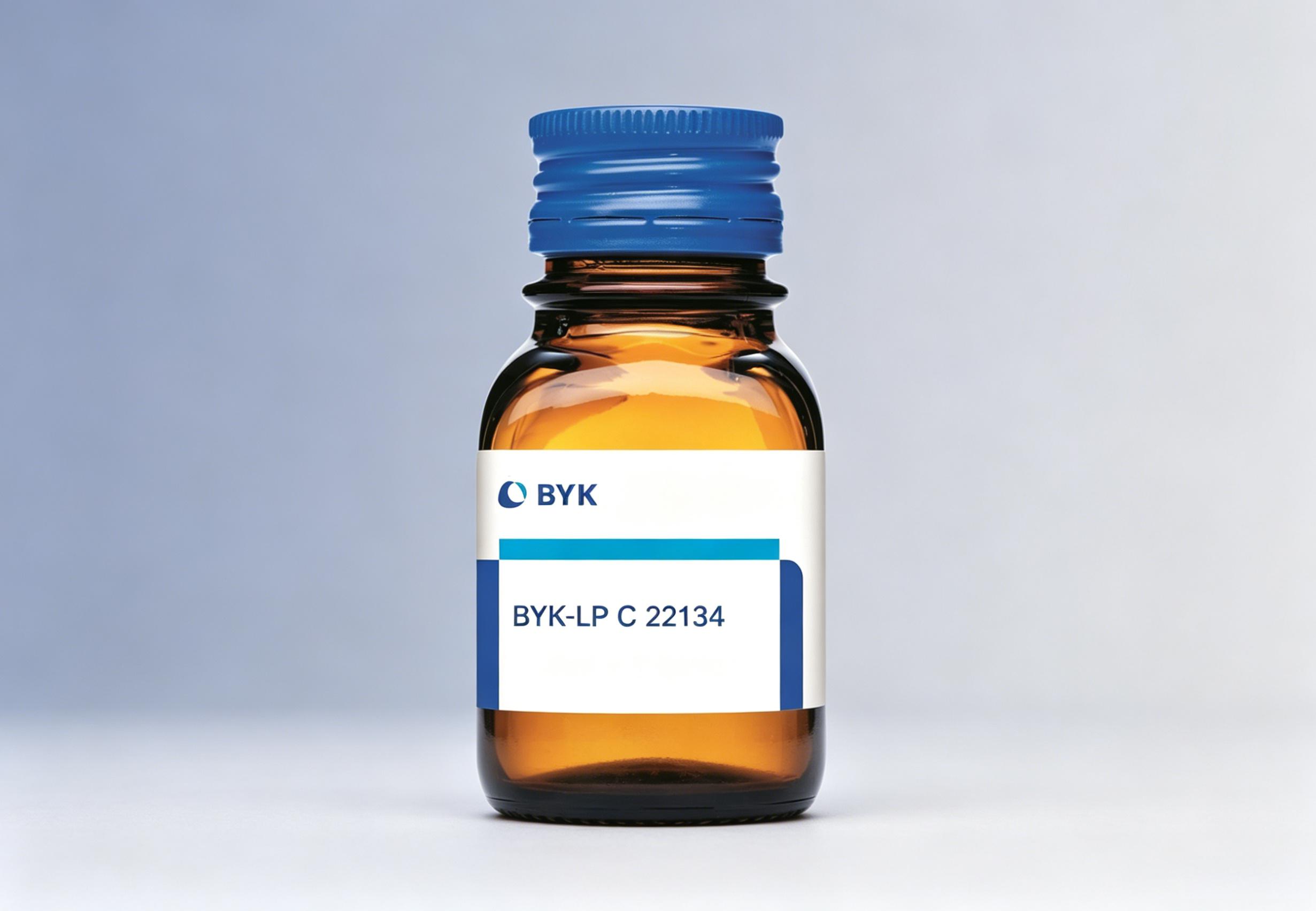 BYK-LP C 22134Field of Use: Separator Coating (for batteries)
Solvent: Water
Solid Content: 45%
Appearance: Off-white emulsionApplication: Recommended for the dispersion of inorganic materials such as alumina and boehmite in water-based systems. -
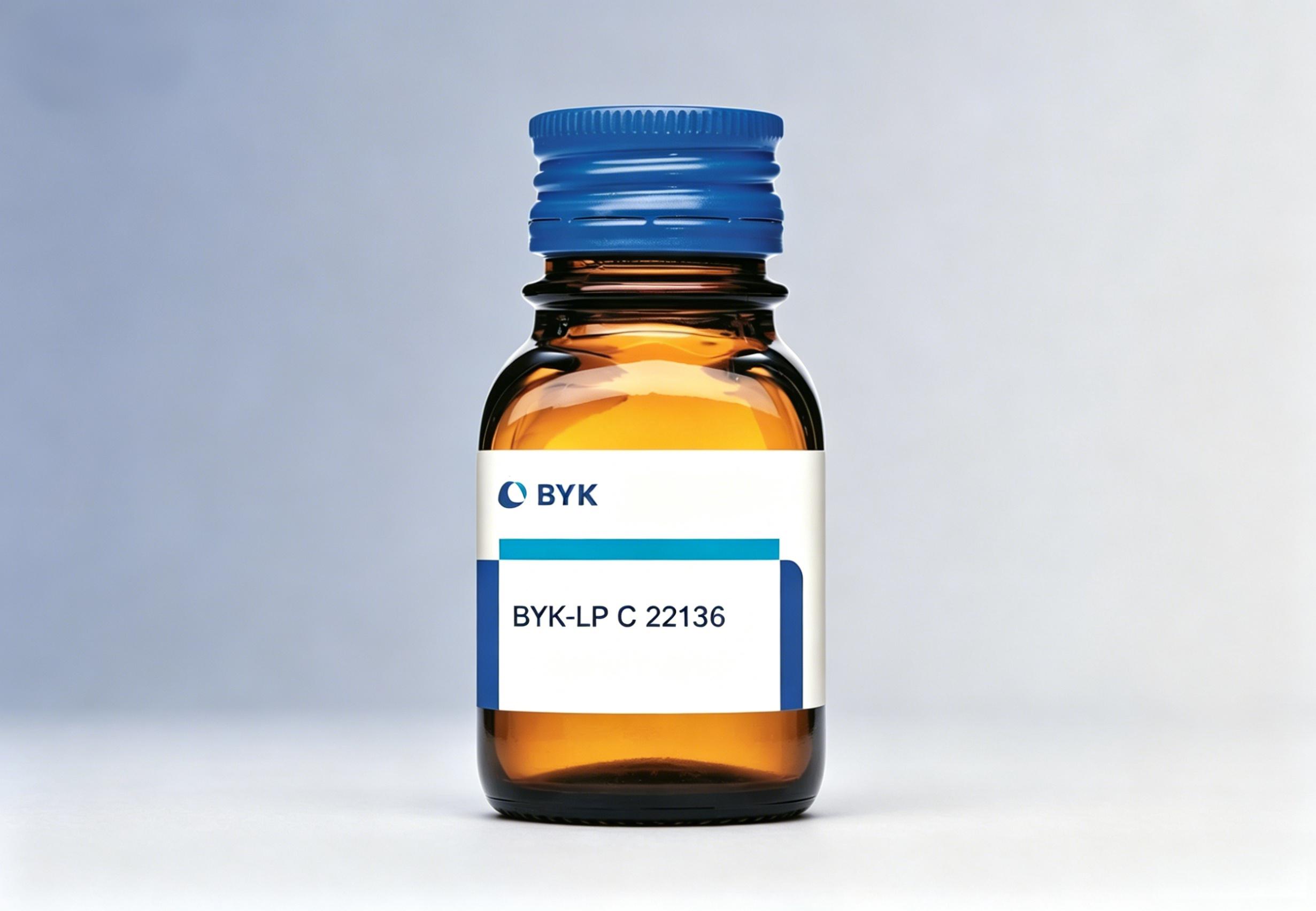 BYK-LP C 22136Field of Use: Separator Coating (for batteries)
Solvent: Water
Solid Content: 40%
Appearance: Slightly yellow, transparent emulsionApplication: Recommended for the dispersion of polymers such as PVDF and PMMA in water-based systems. -
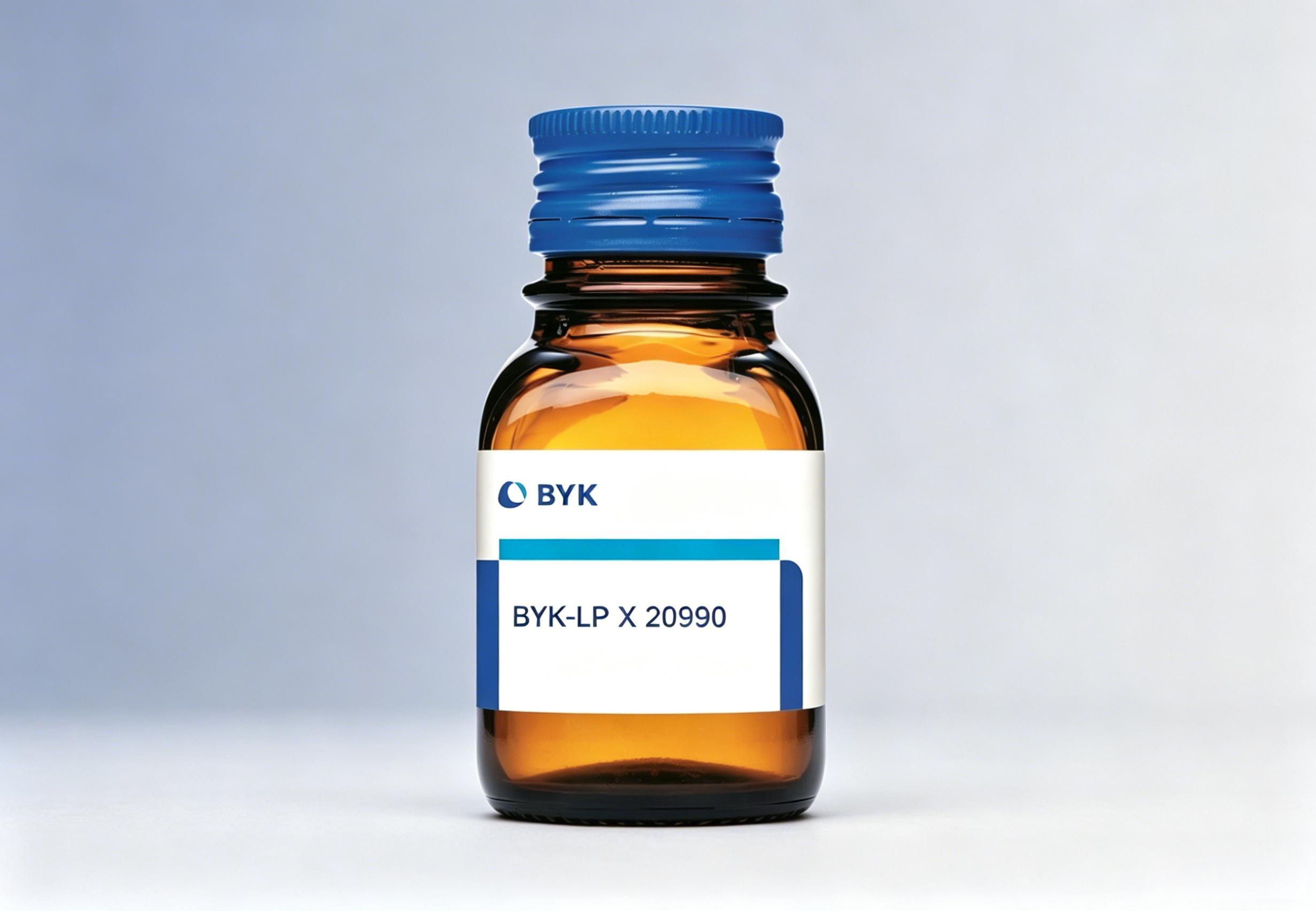 BYK-LP X 20990Field of Use: Water-based separator coating; water-based primer coating for foil
Solvent: Water
Solid Content: 100%
Appearance: Slightly yellowish-brown transparent liquidApplication: Recommended for reducing the surface tension of water-based slurries in coating processes. -
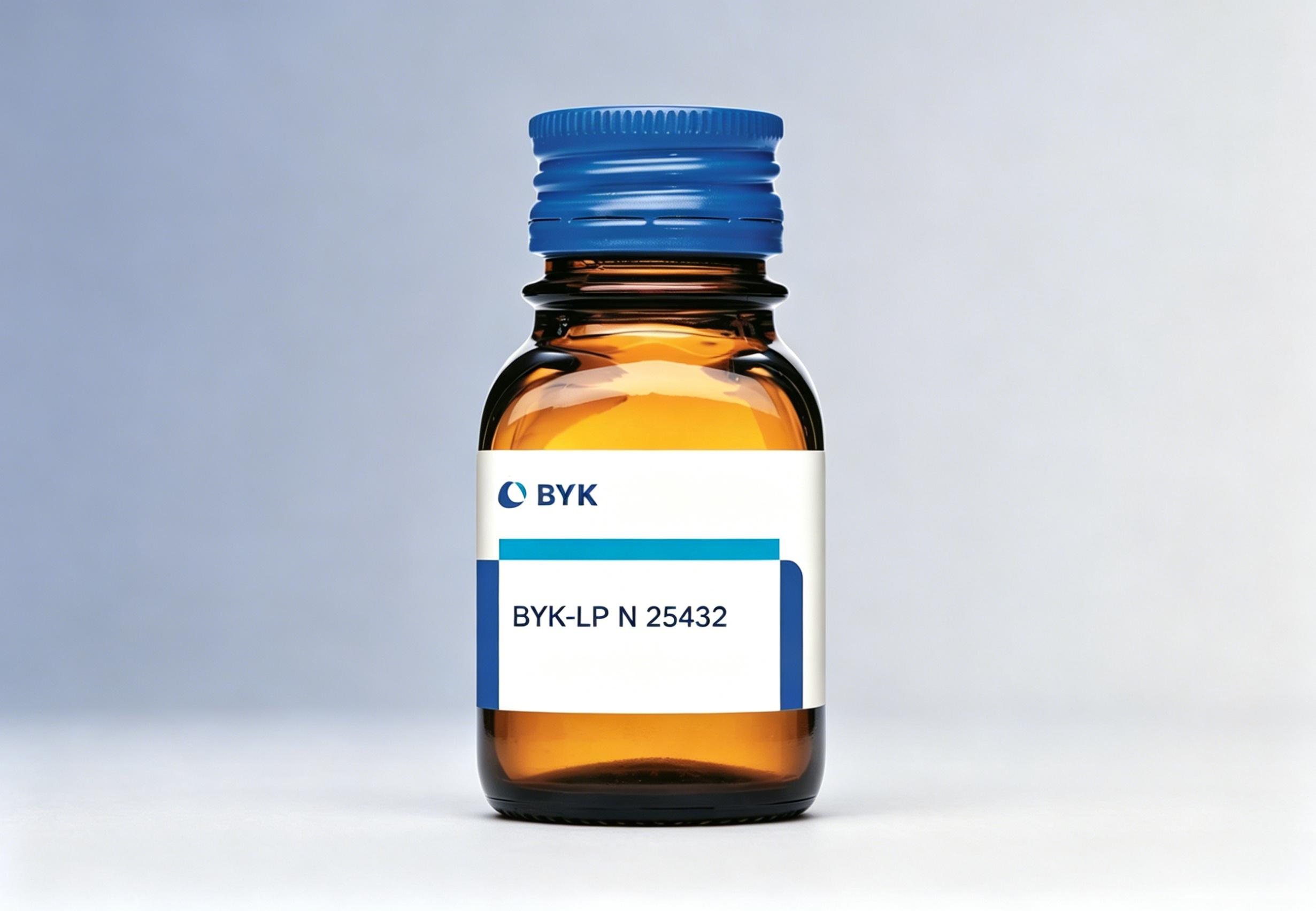 BYK-LP N 25432Field of Use: Lithium battery cathode slurry; solvent-based separator coating
Solvent: NMP
Solid Content: 100%
Appearance: Pale yellow transparent liquidApplication: Recommended for the dispersion of inorganic compounds in oil-based systems.